Your Guide to a Smooth Level 2 EV Charger Install in Fort Collins, CO
Making the switch to an electric vehicle is one of the best decisions you can make for your wallet and the environment. But before a licensed electrician shows up to install your new Level 2 charger, a little preparation goes a long way. Taking care of a few things in advance can make your installation faster, smoother, and more affordable. Here is what Fort Collins homeowners need to know before installation day.
Step 1: Assess Your Electrical Panel
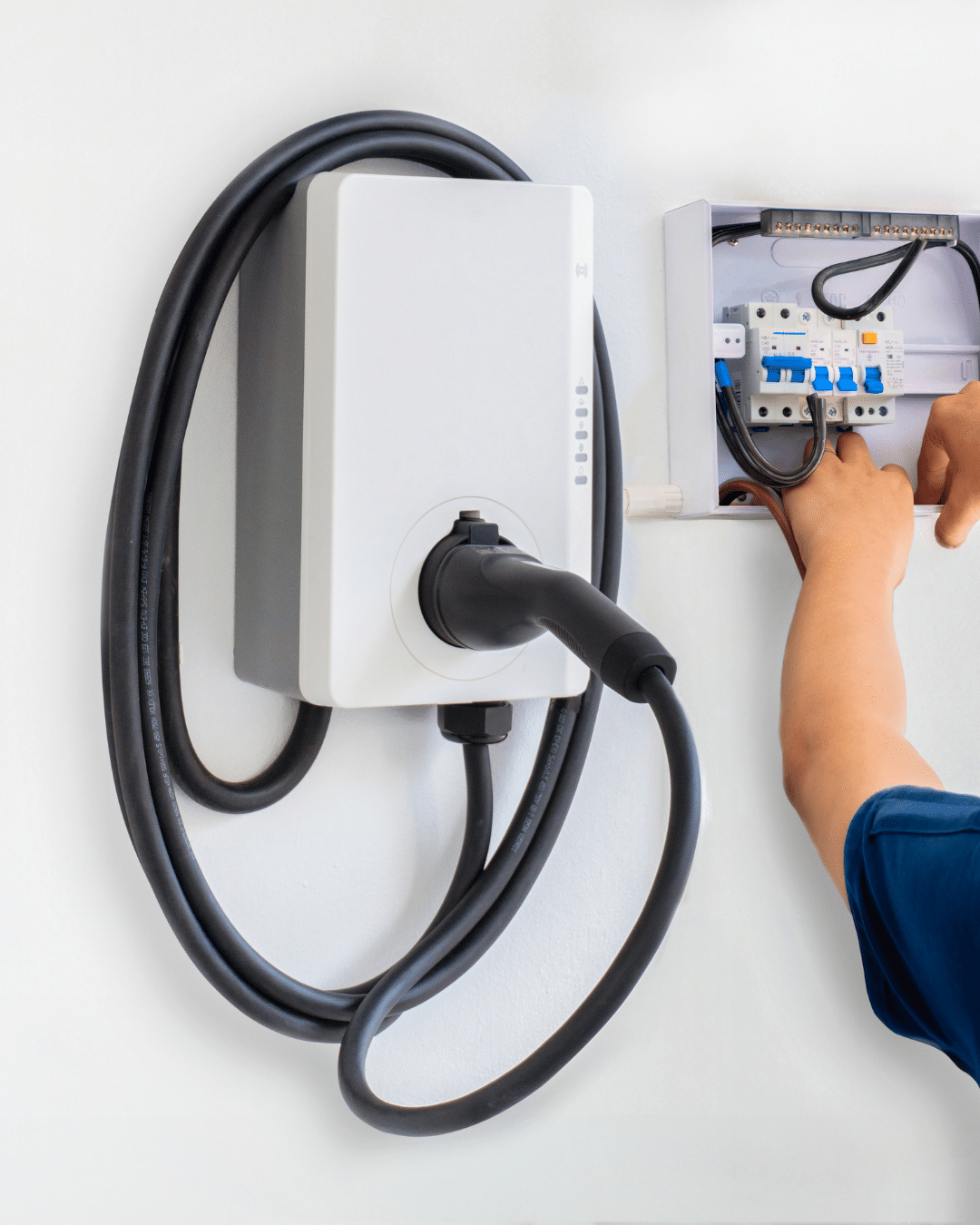
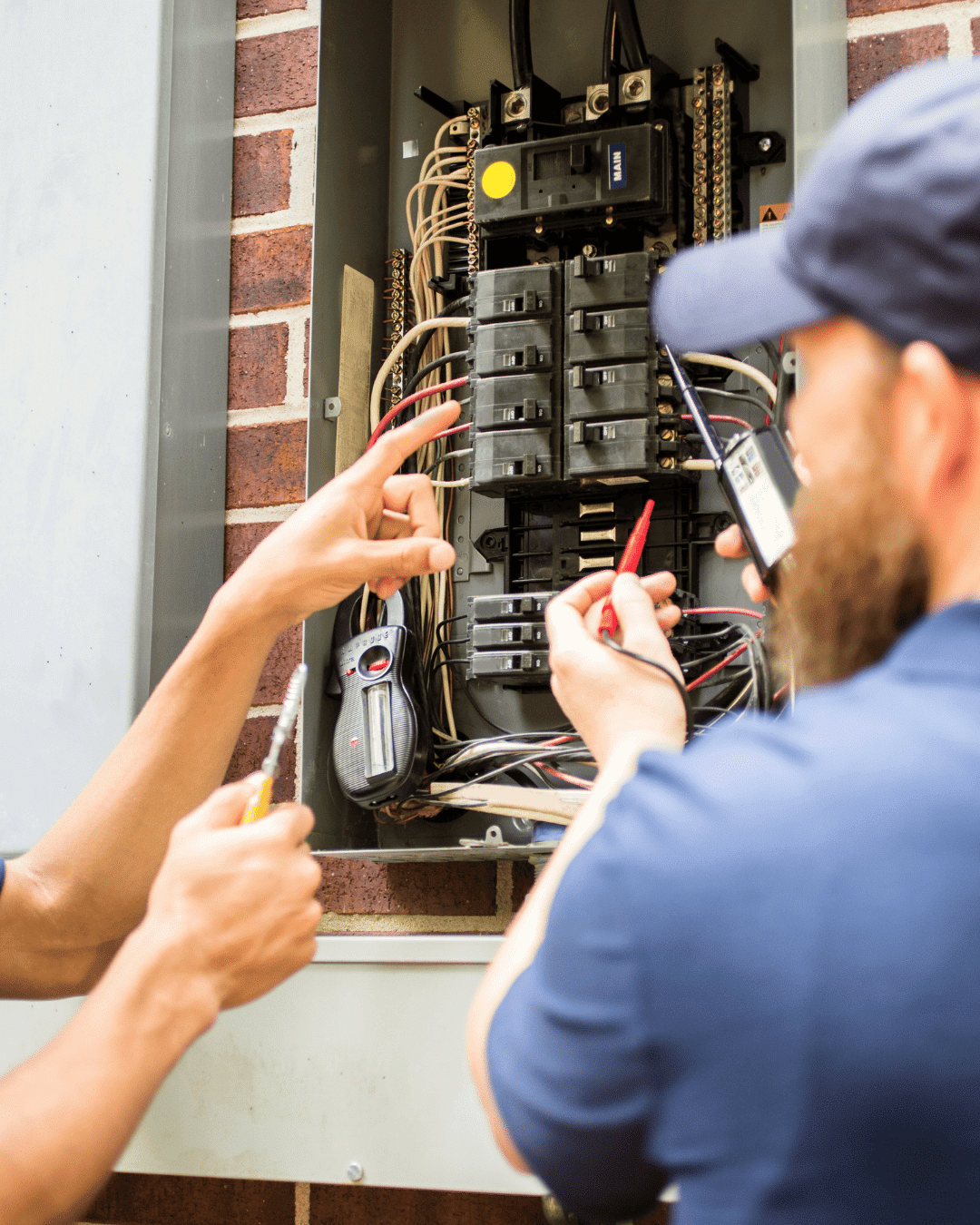
Your home’s electrical panel is the starting point for any EV charger installation. A Level 2 charger requires a dedicated 240-volt circuit with a 40 to 50 amp breaker, which means your panel needs enough capacity to handle the added load.
Here is a quick way to evaluate your current setup:
- Locate your main breaker panel, usually found in a garage, basement, or utility room.
- Check the amperage rating printed on the main breaker. Common ratings are 100A, 150A, or 200A. A minimum of 100-amp service is typically required.
- Count available breaker slots. You will need at least one open double-pole slot for the new 240V circuit.
- Look for signs of an aging or overcrowded panel, such as double-tapped breakers or a full row of breakers with no open slots.
If your panel is at or near capacity, a panel upgrade in Fort Collins may be needed before your charger can be installed. This is a common part of the process, and a licensed electrician can evaluate your specific situation during an initial site visit.
Step 2: Choose the Right Charger Level
Understanding the difference between Level 1 and Level 2 charging will help you pick the right solution for your driving habits.
Here’s the comparison table in plain copy:
| Level 1 | Level 2 | |
| Voltage | 120V | 240V |
| Charge Time | 8 to 16 hours | 3 to 5 hours |
| Installation | Standard outlet, no installation needed | Dedicated circuit required |
| Best For | Plug-in hybrids, occasional drivers | Daily EV drivers, long-range vehicles |
For most Fort Collins homeowners driving a battery electric vehicle or a long-range plug-in hybrid, Level 2 is the right choice. It works with all major EV brands, including Tesla, Hyundai Ioniq 5, Chevrolet Bolt, Ford Mustang Mach-E, Nissan Leaf, and Rivian R1T.
Step 3: Pick Your Installation Location
Where you mount your charger affects both cost and everyday convenience. Most homeowners choose a garage wall or covered carport. As you think through your options, consider the following:
- Panel proximity: The closer the charger is to your electrical panel, the less wiring is needed, which helps keep costs down.
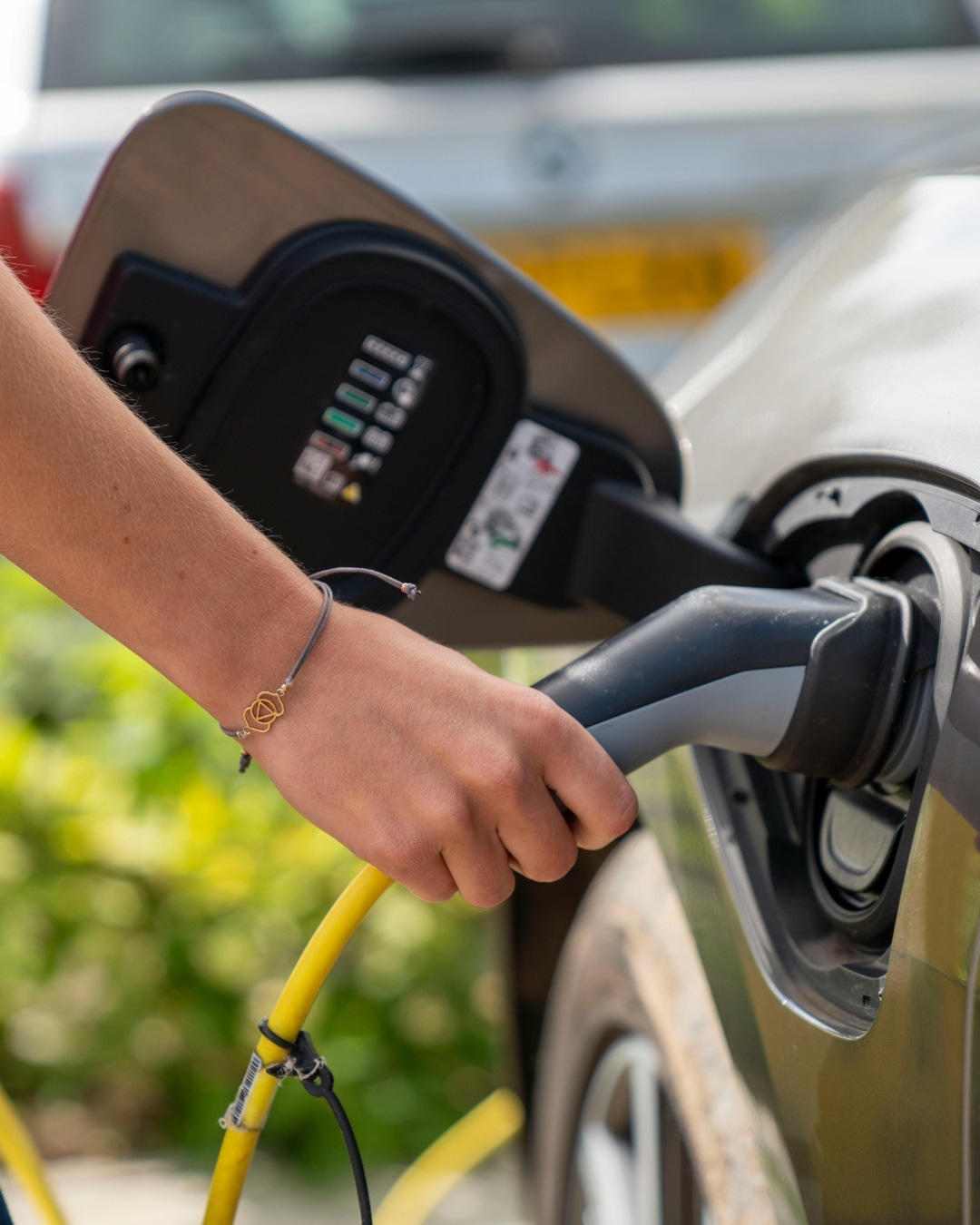
- Charge port access: Consider which side of your vehicle the charge port is on, and position the charger so the cable reaches comfortably.
- Outdoor exposure: If mounting outside, the charger should be NEMA 3R rated or higher to handle moisture and weather.
- Wi-Fi coverage: Smart chargers with app integration and scheduling features need a solid wireless signal. Test your connection at the planned location before installation day.
Step 4: Understand Permits and Inspections
In Fort Collins, residential electrical work almost always requires a permit from the city, and EV charger installations are no exception. Here is how the process typically works:
- Your electrician submits a permit application to the City of Fort Collins before work begins.
- The city reviews and approves the permit, generally within a few business days for standard residential projects.
- After installation, a city inspector verifies that all work meets National Electrical Code (NEC) standards.
- Once approved, your installation is officially complete and code-compliant.
A reputable electrical contractor will handle the entire permitting process on your behalf so you never have to navigate city requirements on your own.
Step 5: Prepare the Physical Space
A little advance prep on the day of installation saves time and keeps the job running smoothly. Before your electrician arrives:
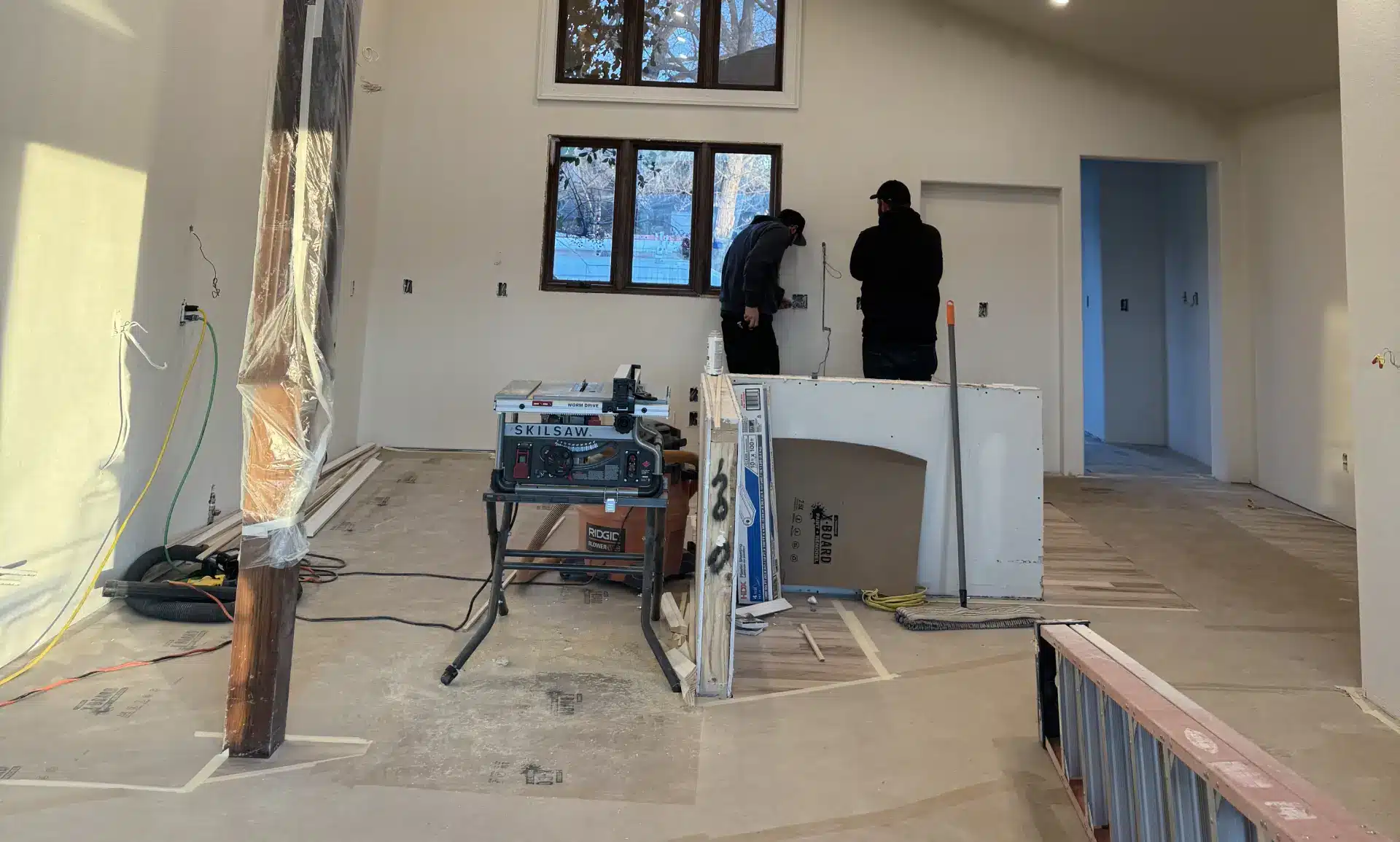
- Clear the area in your garage or parking spot where the charger will be mounted.
- Make sure your electrical panel is accessible and free of clutter.
- If you are planning to install a smart charger, confirm that your Wi-Fi router signal reaches the installation location.
- Have your vehicle’s owner manual or charger specs handy in case your electrician has questions about your car’s charging requirements.
What About Tax Credits and Rebates?
Installing a Level 2 EV charger at home may qualify you for meaningful cost savings:
- Federal Tax Credit: The Alternative Fuel Vehicle Refueling Property Credit may cover up to 30% of installation costs.
- Utility Rebates: Some Colorado utility providers offer rebates for residential Level 2 charger installations.
- State and Local Incentives: Additional programs may be available depending on your location and utility provider.
Ask your electrician about current incentives available in Fort Collins before your installation date.
Frequently Asked Questions:
Do I need to upgrade my electrical panel before installing an EV charger?
Not always. Many homes already have enough capacity to support a Level 2 charger. However, if your panel is older, fully loaded, or rated below 100 amps, an upgrade may be necessary. A licensed electrician can assess your panel during an initial consultation.
How long does an EV charger installation take?
Most residential Level 2 charger installations are completed in four to eight hours. If a panel upgrade is also required, the project may take longer and could span more than one day.
Can I install an EV charger outside?
Yes. Outdoor installations are common and work well in covered carports and driveways. The charger must be rated for outdoor use (NEMA 3R or higher) to handle Colorado’s weather conditions.
Is a permit required for EV charger installation in Fort Collins?
Yes. The City of Fort Collins requires permits for residential electrical work, including EV charger installations. Your electrician should handle the permitting and schedule the required inspection.
Can I install a Level 2 charger myself?
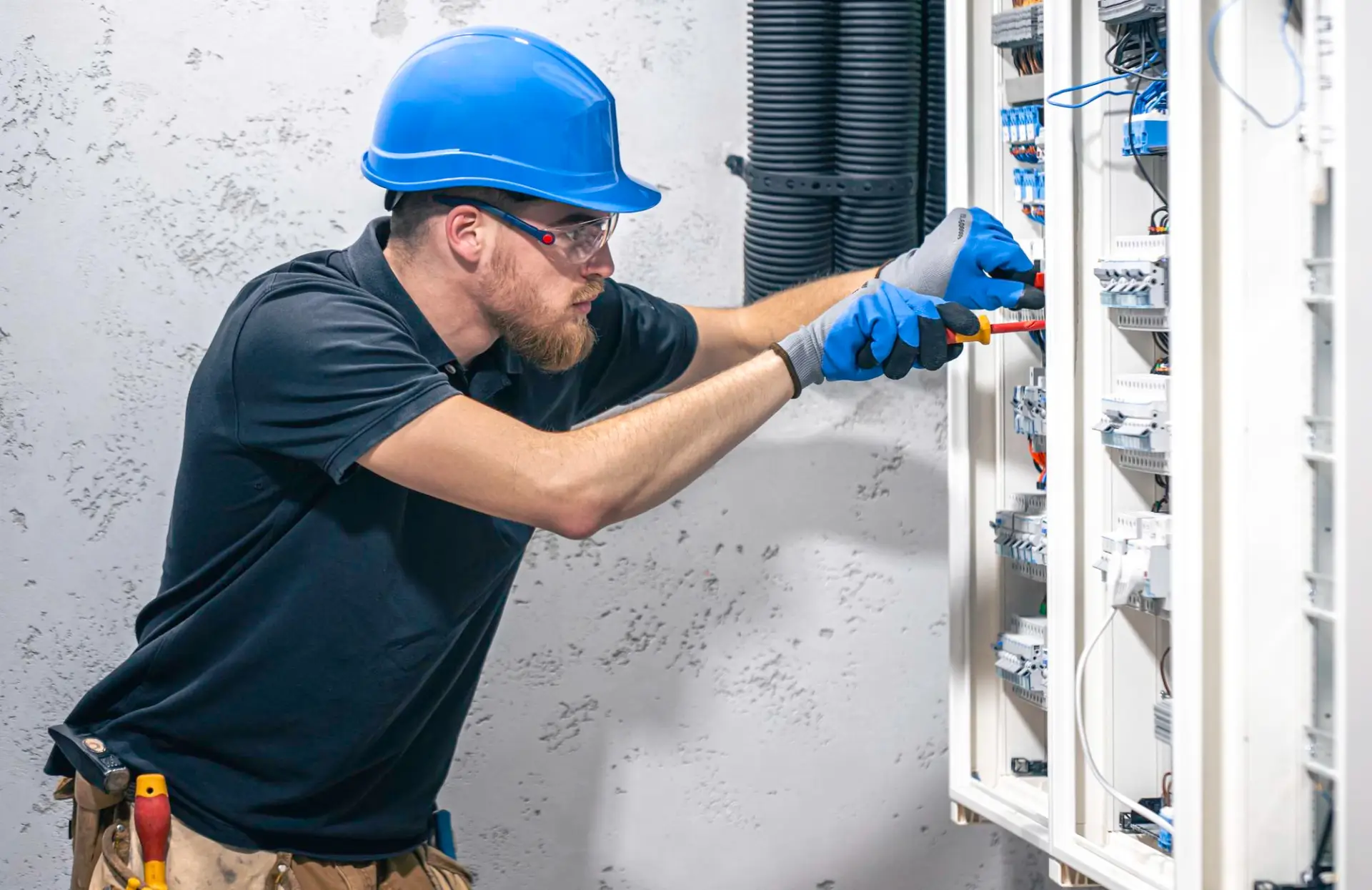
It is not recommended. Level 2 charger installation involves 240-volt wiring, circuit breaker work, and local code compliance. Improper installation can create fire hazards, void warranties, and fail inspection. Always hire a licensed electrician.
Will an EV charger increase my home’s value?
Research consistently shows that homes with EV charging infrastructure are more attractive to buyers, particularly as EV adoption continues to grow across Colorado.
Ready to Install? Contact PH Electric Today.
PH Electric is Fort Collins’ trusted source for professional EV home charger installation. From initial panel assessment and permitting to final setup and smart charger configuration, our licensed electricians handle every step of the process. Whether you need a straightforward
For a Level 2 installation or a full panel upgrade, we will make sure your home is ready to charge.
Call PH Electric today to schedule your free consultation and get your home EV-ready.