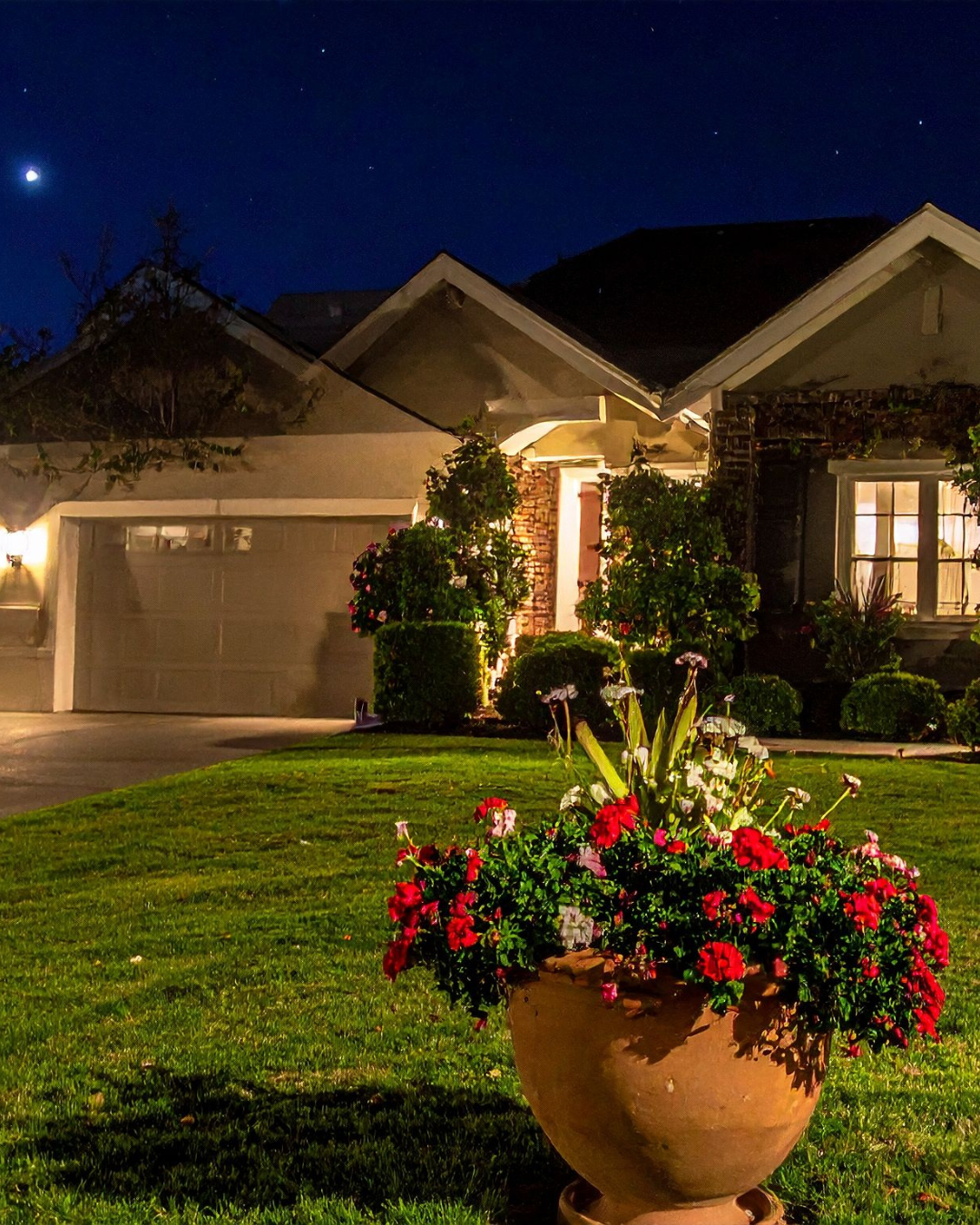
Permanent outdoor lighting has quickly become a popular feature for Colorado homeowners who want year-round curb appeal, added security, or festive ambiance during the holidays. But before installing your lights, it’s crucial to ensure your home’s electrical panel can safely support the additional load.
Whether you’re adding landscape spotlights, motion-activated flood lights, or full perimeter holiday lighting, your electrical service needs to be equipped for the job—starting at the main panel.
In this blog, we’ll cover what upgrades might be required, how to plan, and when to call in a licensed electrician to make sure your system is both safe and code-compliant.
Why Your Panel Might Need an Upgrade?
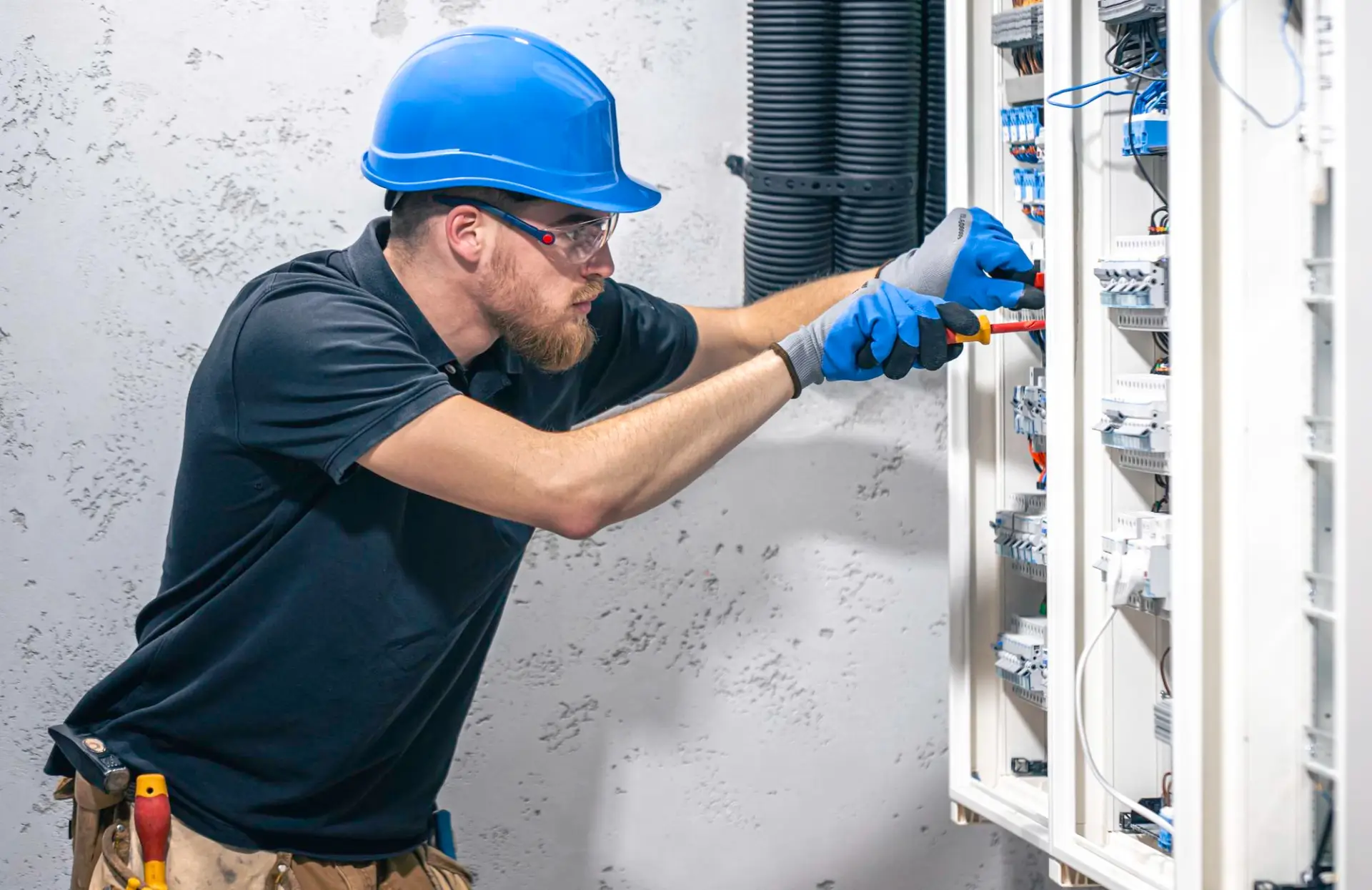
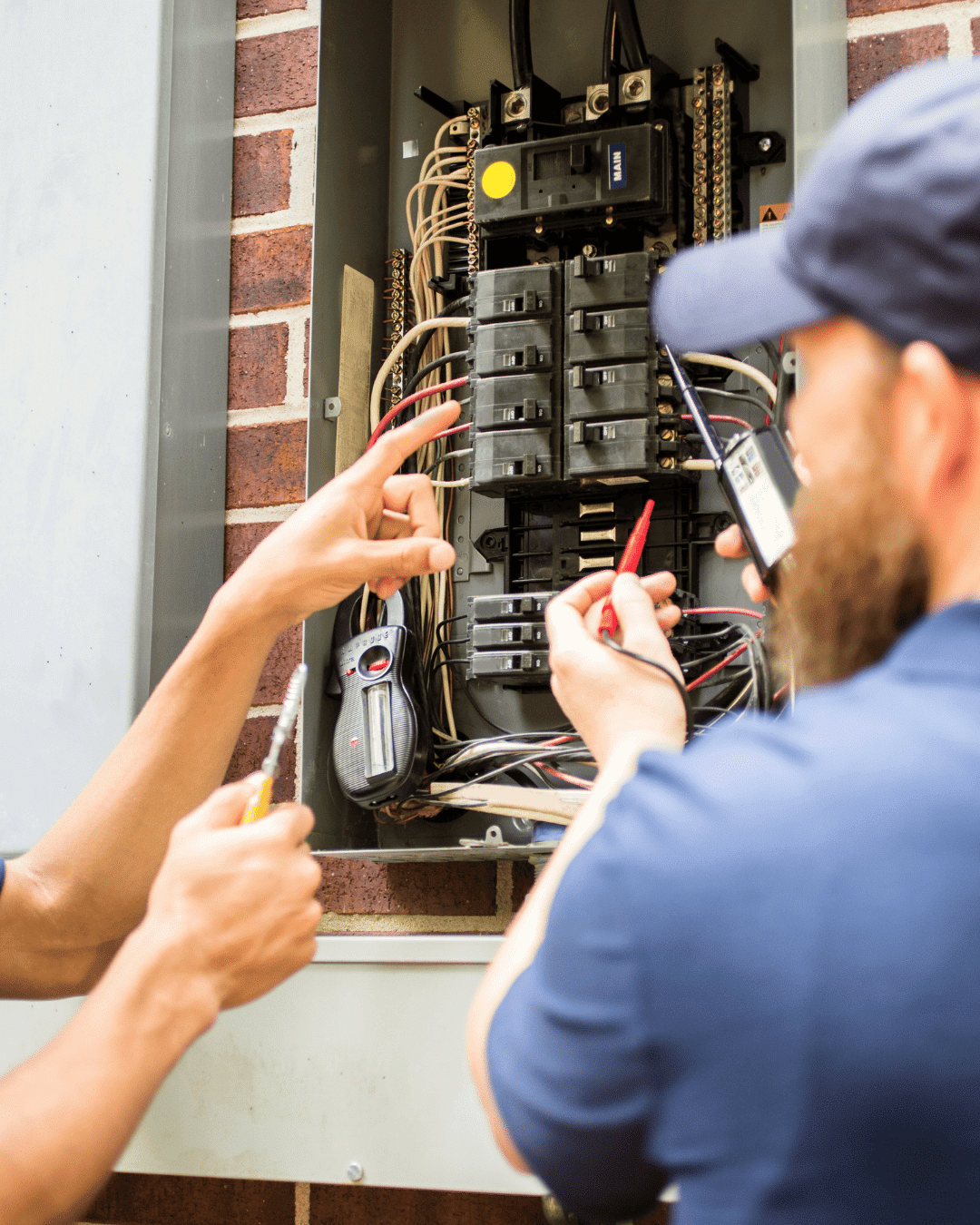
Your home’s electrical panel serves as the control center for distributing electricity throughout your property. But not all panels are created equal—especially if your home is older or hasn’t been upgraded in decades.
Signs You May Need a Panel Upgrade:
- Breakers trip frequently, especially when outdoor devices or lights are added.
- Flickering or dimming lights when large appliances turn on.
- Your panel is rated below 200 amps, and you’re adding significant new loads.
- You still have an outdated brand like Zinsco or Federal Pacific, which are known for safety risks.
- You’re planning to install multiple outdoor circuits, smart lighting controls, or other high-draw electrical features.
Key Electrical Panel Upgrades for Outdoor Lighting
Installing permanent exterior lighting typically requires more than just a basic wiring job. Below are the most common panel-related upgrades PH Electric recommends:
Dedicated Circuits
Outdoor lighting should be on its own circuit to prevent overloading your existing household wiring. This is especially important for year-round lighting that remains powered every evening.
GFCI Protection
Ground Fault Circuit Interrupters (GFCIs) protect against electric shock in wet environments. A GFCI breaker installed in the panel ensures the entire outdoor circuit is protected—critical for safety.
Upgrading to a 200-Amp Panel
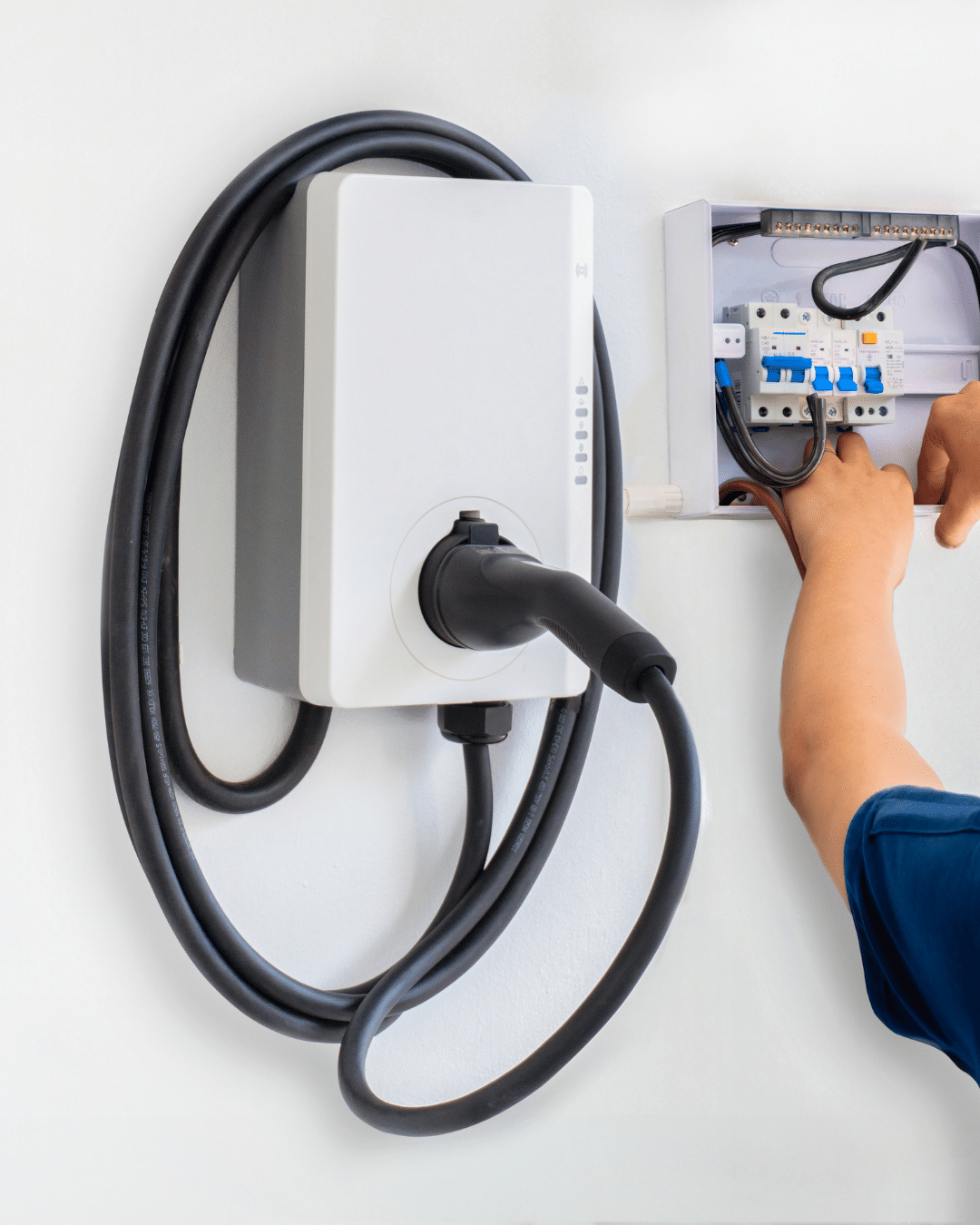
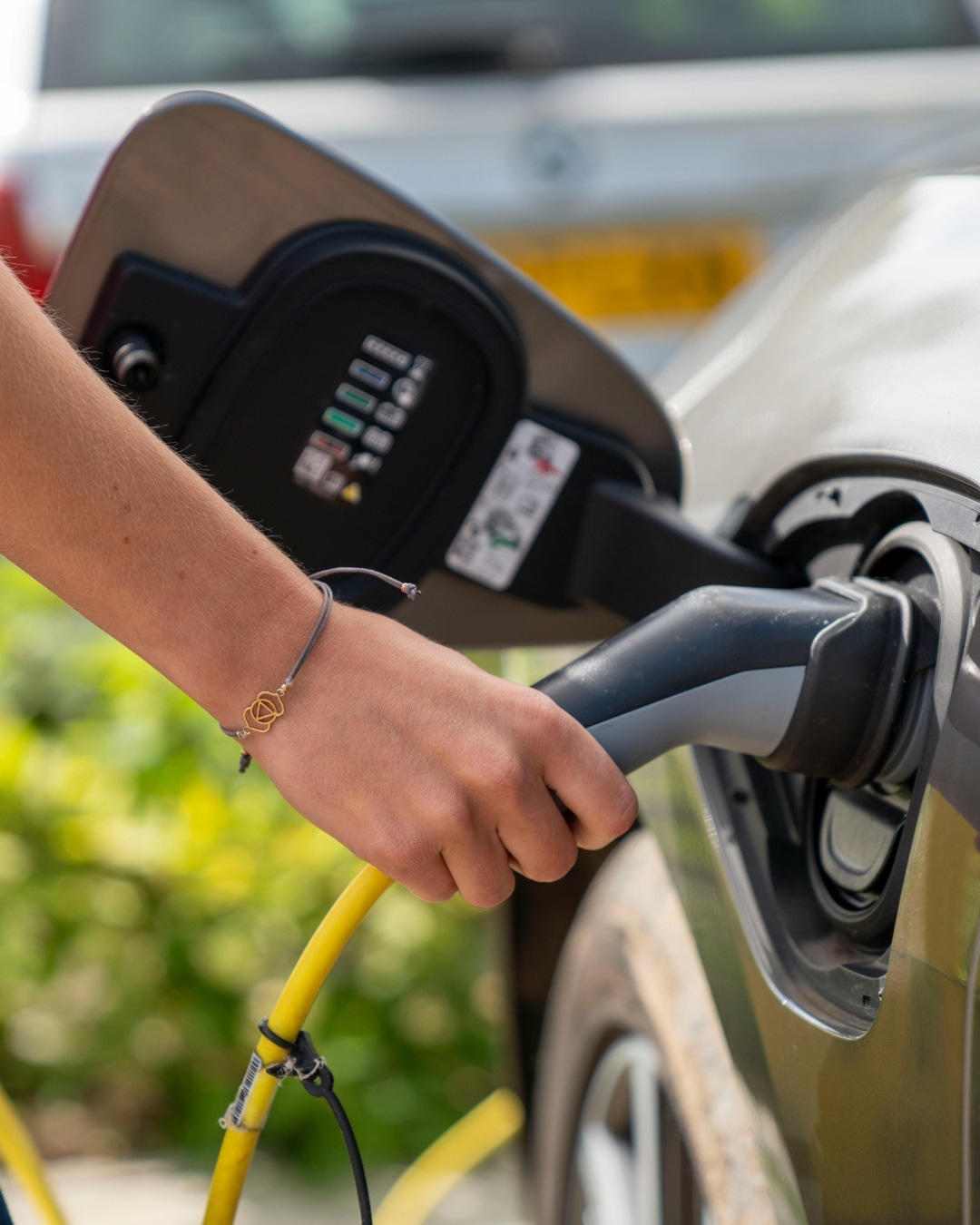
If your home currently has a 60–100 amp panel, it may not support additional circuits for lighting, EV chargers, heat pumps, or smart home upgrades. A 200-amp panel upgrade ensures you have enough capacity now and in the future.
Subpanels for Large Properties
If you’re lighting multiple zones—like the front yard, backyard, pathways, and patios—a subpanel may be installed to distribute power more efficiently across your property.
Smart System Integration
Want app-controlled lighting or voice-activated dimmers? Smart controls often require upgraded wiring, neutral conductors, and sometimes low-voltage compatibility—which need to be factored into your panel’s design.
Safety Considerations for Outdoor Electrical Installations
Upgrading your panel isn’t the only concern when installing permanent outdoor lighting. Every component of the system must follow local and National Electrical Code (NEC) guidelines.
Safe Installations Require:
- Weather-rated wiring (UF-B cable) for underground or exterior use
- Rain-tight junction boxes and fittings
- Proper grounding and GFCI protection
- Secure conduit connections to prevent water intrusion
- Permits and inspections to ensure code compliance
Outdoor electrical work—especially permanent lighting—should never be handled by a handyman or DIY installer. A licensed electrician ensures every connection is safe, legal, and built to last.
Long-Term Benefits of Planning Ahead
If you’re considering future upgrades like a hot tub, electric vehicle charger, or home addition, now is the time to plan for the additional electrical load. A well-planned panel upgrade gives you:
- Increased energy efficiency
- More available breaker space
- Peace of mind that your system is safe and expandable
- Potential insurance discounts
- Eligibility for local rebates and federal tax credits
FAQs About Electrical Panel Upgrades for Outdoor Lighting
Q. Can I install permanent outdoor lights without upgrading my panel?
A. It depends on your current panel’s capacity. If your system already runs close to its maximum load, adding new lighting circuits may require an upgrade to prevent overloads or fire risks.
Q. What’s the difference between a main panel and a subpanel?
A. The main panel distributes electricity to your entire home, while a subpanel is a smaller extension used to power specific areas—like outdoor zones or garages—when you need more circuit space or localized distribution.
Q. Are there code requirements for outdoor lighting installations?
A. Yes. All permanent exterior lighting must comply with local building codes and NEC standards, including GFCI protection, weatherproof materials, and properly sized wiring.
Q. How do I know if my panel is 200 amps?
A. Look inside your electrical panel door—it’s usually labeled near the main breaker. If you’re unsure, PH Electric can inspect it and help determine whether an upgrade is needed.
Q. What permits are required for outdoor lighting and panel upgrades in Fort Collins?
A. Most electrical upgrades and permanent lighting installations require a permit and inspection by the city or county. PH Electric handles all permitting and ensures compliance with Larimer County regulations.
Power Your Outdoor Lighting Safely with PH Electric
When it comes to permanent outdoor lighting, beauty and safety should go hand in hand. PH Electric specializes in electrical panel upgrades and exterior lighting installations that are code-compliant, weatherproof, and built to last. Whether you’re adding accent lights, motion detectors, or full holiday displays, we’ll make sure your electrical system is ready to handle it—today and tomorrow.
Schedule your consultation with PH Electric today to upgrade your panel, design your lighting system, and brighten up your outdoor space the right way.